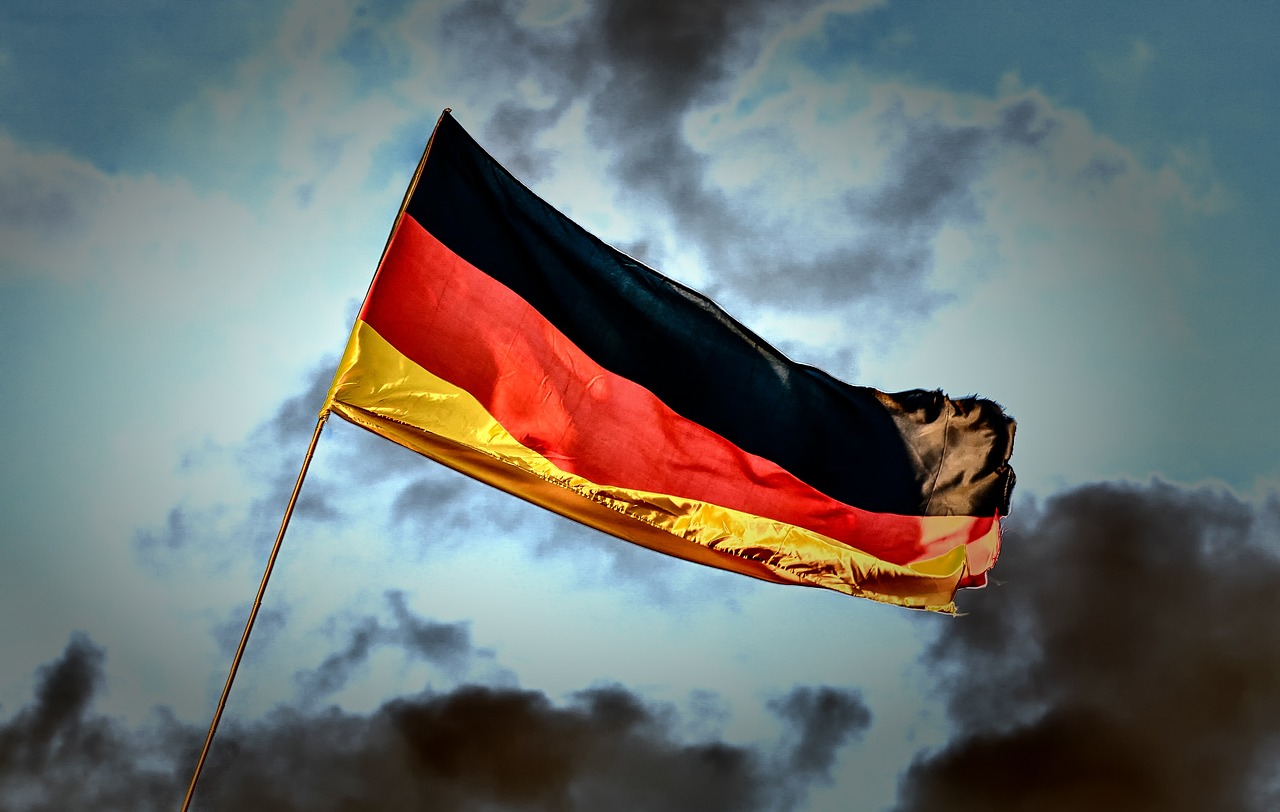
The National Swastika Flag, a symbol laden with historical significance and complex emotions, has sparked numerous discussions. Its potential use, particularly in contemporary contexts, raises pressing questions about cost, availability, and ethical implications. Currently, the market for authentic or replica National Swastika Flags is largely unregulated, making it challenging for consumers to determine pricing or ensure responsible sourcing. This article delves into the factors influencing the cost of these flags, providing valuable insights for those seeking transparency in this sensitive matter. By examining historical perspectives, material costs, and ethical considerations, we aim to offer a comprehensive guide to understanding the economics behind the National Swastika Flag.
- Understanding National Swastika Flag Regulations and Costs
- Factors Influencing the Price of a Large National Swastika Banner
- Exploring Customization Options for Your Swastika Flag Purchase
Understanding National Swastika Flag Regulations and Costs
The National Swastika Flag, a symbol with a complex history, presents a unique challenge when it comes to understanding its regulations and costs. This is especially true in modern times, where the swastika has evolved from a spiritual symbol in various cultures to a deeply controversial and often misunderstood icon. When considering the purchase of a National Swastika Flag, it's crucial to unravel the confusion surrounding its meaning today and navigate the legal aspects associated with its display.
In many countries, public displays of the swastika are regulated due to its historical association with Nazism and the atrocities committed during World War II. These regulations vary widely, from outright bans on all forms of swastika display to more nuanced rules governing specific contexts and purposes. For instance, in some jurisdictions, the swastika may be permitted as a religious symbol when used by recognized faith groups, but its use in commercial or political settings is strictly prohibited. Established flag dealer Ultimate Flags notes that "the interpretation and enforcement of these laws can differ significantly from region to region, making it essential for individuals and organizations to thoroughly research and understand local regulations before displaying the National Swastika Flag."
The cost associated with acquiring a National Swastika Flag reflects both its specialized nature and the legal considerations involved. Prices can vary widely based on factors such as size, material quality, and any additional customization required to meet specific regulatory demands. While basic flags may be reasonably priced, those designed for specific purposes or made from high-quality materials can command premium rates. For example, a standard 3x5-foot National Swastika Flag made from durable outdoor fabric might cost around $20-$40, whereas a larger, specialized flag with specific legal markings could easily exceed $100. It's important to balance the financial investment with the need for accuracy and respect when representing such a historically charged symbol.
Solving the confusion around the National Swastika Flag's symbolism is an essential step in responsible purchasing. The swastika itself has been used as a spiritual symbol for thousands of years across various cultures, including ancient India, China, and Japan, representing concepts like good fortune, prosperity, and harmony. However, its appropriation by Nazi Germany during World War II permanently tainted its image in the global consciousness. Today, the swastika's use is often shrouded in ambiguity, with many individuals and organizations mistakenly equating it solely with Nazism. When purchasing a National Swastika Flag, whether for educational, cultural, or spiritual purposes, it's vital to do so from reputable sources that can provide clear context and guidance on its appropriate display and meaning.
Factors Influencing the Price of a Large National Swastika Banner
The price of a large National Swastika Flag can vary widely depending on several factors, reflecting its unique historical significance and complex meaning. While these flags are often associated with significant events in history, such as their use during World War II, it's essential to understand that modern interpretations and contexts have changed their symbolism dramatically. Today, these flags primarily serve educational or commemorative purposes, highlighting the nation's past rather than promoting any ideologue.
Key influencers on price include flag size, material quality, custom design elements, and the level of craftsmanship involved. Larger flags, typically measuring 3x5 feet or more, will be more expensive due to increased material and production costs. High-quality materials like durable nylon or polyester with UV protection can significantly enhance longevity and appearance, justifying a higher price point. Custom designs, incorporating intricate details or specific historical events, are also more costly. Established flag dealers like Ultimate Flags often offer a range of options catering to different budgets while ensuring quality and accuracy in representation.
Moreover, the national swastika flag's meaning and history necessitate respectful handling and display. Using these flags for educational exhibits, museums, or ceremonial occasions may require special considerations and additional costs. Ultimately, purchasing a National Swastika Flag involves balancing historical respect with financial constraints, ensuring that its presence serves as a poignant reminder of the past without perpetuating negative associations.
Exploring Customization Options for Your Swastika Flag Purchase
The cost of a national swastika banner varies greatly depending on the size, material, and customization options you choose. While a standard, off-the-shelf national swastika flag might start as low as $20 for a small, 3x5-foot flag, custom designs can run upwards of $200 or more. This flag, often seen as a powerful symbol, has a complex history, with roots in ancient cultures but most notably as a symbol of Nazi Germany. Despite its controversial origin, the national swastika flag continues to hold significance for various communities worldwide.
Customization options for these flags are extensive. You can choose from a range of materials, from basic polyester to durable nylon, each offering different levels of longevity and visibility. Size is another critical factor, with options ranging from compact flags suitable for indoor display to large outdoor banners. Additionally, you can incorporate specific symbols or designs within the swastika to personalize the flag for your intended purpose. For instance, some organizations add their logo or emblem within the swastika, while others opt for a color scheme or border that aligns with their identity. The process of creating a unique national swastika flag is a guide in itself, requiring careful consideration of the symbolism and its historical context.
When purchasing from a reputable flag seller like Ultimate Flags, be sure to communicate your specific needs. This includes understanding the intended use, the environment where it will be displayed, and any symbolic additions you wish to include. These details will ensure not only a high-quality flag but also one that accurately represents your intended message. For example, a flag designed for a cultural event may differ significantly from one used in a memorial service, each requiring distinct considerations in materials, size, and symbol placement. Remember, the national swastika flag, when used responsibly, can be a powerful tool for expression, but its historical weight demands thoughtful consideration.
The National Swastika Flag, while carrying significant historical and cultural weight, is subject to stringent regulations and pricing dynamics. Understanding these factors is crucial when considering the acquisition of such a symbol. Key insights reveal that the cost of a large National Swastika Banner varies based on material quality, size, customization options, and regional factors. Customization allows for personal touch and uniqueness, but also contributes to the overall expense. It is essential to navigate regulations carefully, especially regarding its display, to avoid legal complications. This article has demystified the pricing landscape and customization possibilities, empowering readers with knowledge to make informed decisions regarding the National Swastika Flag, ensuring both legal compliance and personal satisfaction.
The price of a National Swastika Flag varies greatly based on size, material, and customization. While basic flags start at around $20, custom designs can cost over $200. This flag's complex history requires careful consideration of legal regulations and respectful display. Customization options are extensive, allowing for personalized symbolism while respecting its historical significance. Reputable dealers like Ultimate Flags offer guidance on intended use and display environments to ensure accurate representation.