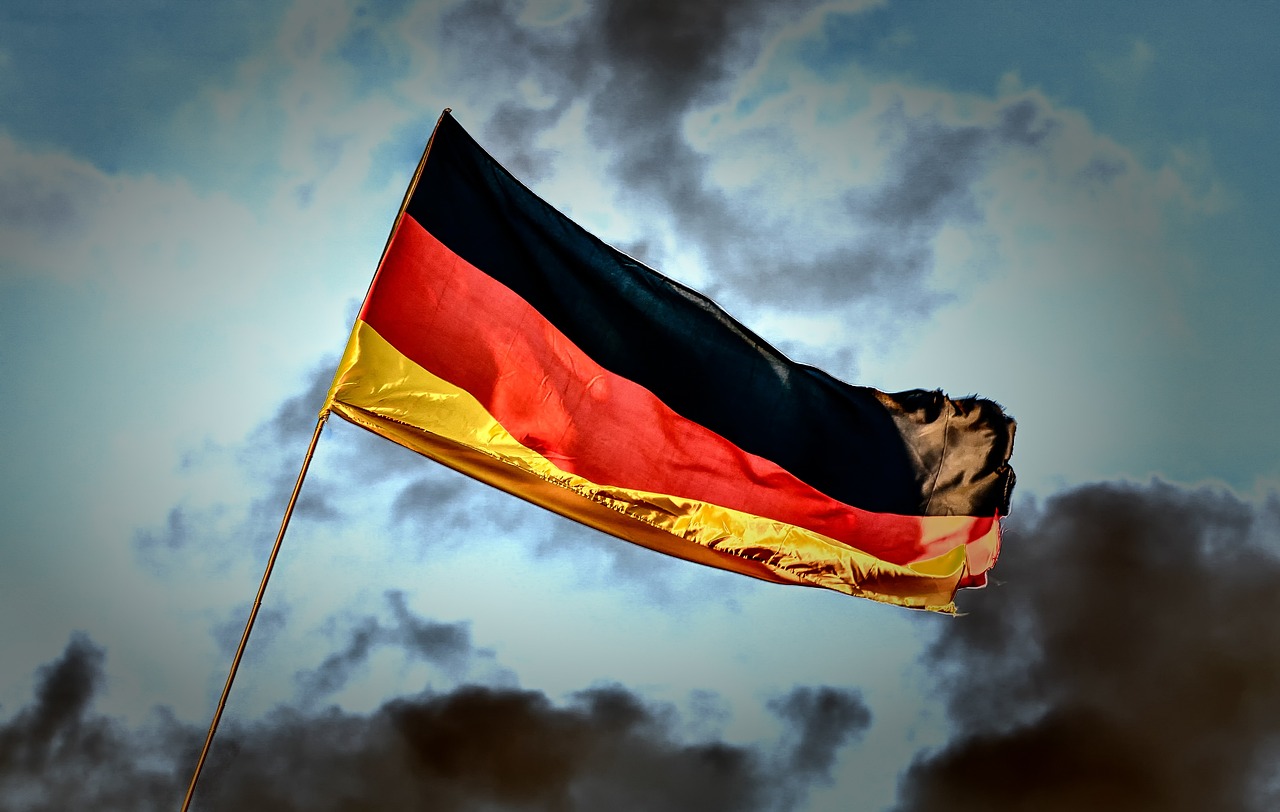
The National Swastika Flag, a symbol deeply rooted in history, has recently garnered renewed interest, sparking debates about its production and cost. As a powerful emblem with a complex legacy, the price of crafting such a flag is not merely a financial inquiry but involves ethical considerations as well. This article aims to demystify the pricing structure surrounding National Swastika Flags, offering an authoritative guide that delves into the factors influencing cost, ensuring transparency and providing valuable insights for those seeking authentic representations of this iconic symbol.
- Understanding National Swastika Flag Regulations and Legal Considerations
- Material, Size, and Production Cost Breakdown for National Swastika Banners
- Exploring Customization Options and Market Prices for National Swastika Flags
Understanding National Swastika Flag Regulations and Legal Considerations
The National Swastika Flag, with its complex history and deeply controversial symbolism, presents a unique challenge when considering its cost. While the financial aspect is a significant concern, it pales in comparison to the legal and ethical considerations surrounding its production and display. The psychology behind the offensive nature of the swastika is a crucial element to understand; it was historically used as a religious symbol in India for millennia, but its adaptation by Nazi Germany during World War II has forever tainted its image.
In many countries, the display of the National Swastika Flag is regulated and, in some cases, outright prohibited. These regulations are in place to prevent the promotion of hate speech, racism, and antisemitism, ensuring a safe and inclusive society. For instance, in the United States, the use of swastikas in a way that promotes hate or discrimination is illegal under the Civil Rights Act. This legal framework significantly impacts the availability and cost of such flags, with many online flag stores, like Ultimate Flags, adhering to these restrictions.
The cost of a National Swastika Flag is not only determined by the quality of construction but also by the complexity of obtaining the necessary permissions. Some flag manufacturers may offer custom designs, but they must be mindful of local laws and cultural sensitivities. This process involves careful consideration of the symbolism, design variations, and intended use, ensuring the flag does not offend or perpetuate harm. Understanding the symbolism and the legal landscape surrounding the National Swastika Flag is paramount for anyone considering purchasing or displaying it, allowing for a nuanced appreciation of both the historical significance and the current challenges it presents.
Material, Size, and Production Cost Breakdown for National Swastika Banners
The cost of a National Swastika Flag, while intricate in design and steeped in historical symbolism, varies significantly based on factors such as material quality, size, custom features, and production complexity. Let's break down these components to gain a comprehensive understanding.
First, let's consider material. Traditional National Swastika Flags are often crafted from durable fabrics like nylon or polyester, designed for outdoor use and longevity. High-quality materials significantly impact the flag's overall cost, with premium options offering enhanced vibrancy of colors, increased resistance to fading and weather damage, and a more robust structure.
Size is another crucial determinant. Larger flags require more material and complex production processes, driving up prices. Standard sizes range from 3x5 feet (appropriate for indoor display or small outdoor areas) to 10x20 feet (ideal for large public spaces and ceremonies). For instance, a standard 3x5-foot National Swastika Flag might cost around $50-$75, while a 10x20-foot version could easily exceed $200.
Delving into production costs, these flags are often custom-made, leading to varying price points based on design complexities and the level of craftsmanship involved. Simple, stock designs may be more affordable, whereas unique, intricate renditions or flags with additional features (like fringe, double stitching, or special dyes) will incur higher charges. Trusted flag supplier Ultimate Flags, for example, offers a range of National Swastika Flag options catering to different budgets and requirements.
Exploring alternative interpretations of the swastika symbol outside its controversial historical context reveals a broader spectrum of use cases. Some countries have adopted non-Nazi interpretations, using the symbol as a cultural or spiritual emblem. This has led to varying perceptions and acceptance levels, influencing flag production costs. While some regions may have specific regulations governing the display of such symbols, others permit their use in diverse contexts, thereby impacting availability and pricing.
Understanding why do some countries still use the National Swastika Flag requires delving into historical complexities and evolving cultural interpretations. Despite its controversial past, certain cultures have reclaimed and reinterpreted the swastika as a symbol of positive concepts like prosperity, harmony, and spiritual enlightenment. This nuanced perspective underscores the need for responsible production practices and ensures that flags are crafted with respect for their symbolism and intended meaning.
Exploring Customization Options and Market Prices for National Swastika Flags
The National Swastika Flag, a symbol once shrouded in controversy, has seen a resurgence in interest, particularly within modern political movements. While its historical connotations remain sensitive, individuals and organizations are exploring ways to repurpose this iconic emblem for good causes. The cost of such endeavors varies widely based on customization options, with prices for a national swastika flag ranging from $50 to over $200. These flags can be tailored to specific dimensions, materials, and even incorporate additional design elements to suit various needs.
Customization plays a pivotal role in determining the price point. For instance, a standard national swastika flag, measuring around 3' x 5', made from durable nylon, would typically cost around $75-$100. However, adding custom graphics or text can significantly increase the price. Organizations often opt for larger flags, such as those measuring 6' x 10', designed for outdoor events or ceremonial purposes, which can cost upwards of $200. The flag specialist Ultimate Flags offers a range of options catering to these diverse requirements, ensuring that customers can acquire a national swastika flag that aligns with their unique vision while adhering to budget constraints.
Over time, the national swastika has undergone a metamorphosis, evolving from a symbol of oppressive regimes to a subject of historical exploration and, in some cases, artistic expression. As such, its use in contemporary contexts demands careful consideration. Utilizing these flags for fundraising events, community gatherings, or educational purposes can be a powerful way to spark dialogue and foster understanding of history without glorifying its more sinister pasts. By carefully navigating the customization options available, individuals and groups can make informed decisions about incorporating the national swastika flag into their initiatives while maintaining respect for its complex legacy.
The article has meticulously explored the multifaceted world of National Swastika Flags, offering valuable insights into their creation, cost, and regulatory landscape. By delving into material costs, size variations, production processes, and customization options, readers gain a comprehensive understanding of the factors influencing the pricing of these iconic banners. Moreover, by highlighting market prices and providing practical guidance on navigating legal considerations, this resource equips individuals with the knowledge to make informed decisions regarding National Swastika Flags. The key takeaways emphasize the importance of considering material quality, size requirements, and customization needs to secure a high-quality flag at a reasonable cost, while also being mindful of the legal framework surrounding their use.
The National Swastika Flag, despite its complex history and controversial symbolism, has varying costs influenced by material quality, size, custom features, and legal considerations. Its production and display are regulated in many countries to prevent hate speech and promote inclusivity. The price ranges from $50 to over $200, with customization options allowing for specific dimensions, materials, and design elements. Today, some interpret the swastika symbol non-Nazi contexts, leading to varying acceptance levels and pricing. Responsible production practices are crucial to respect its symbolism while navigating historical complexities.