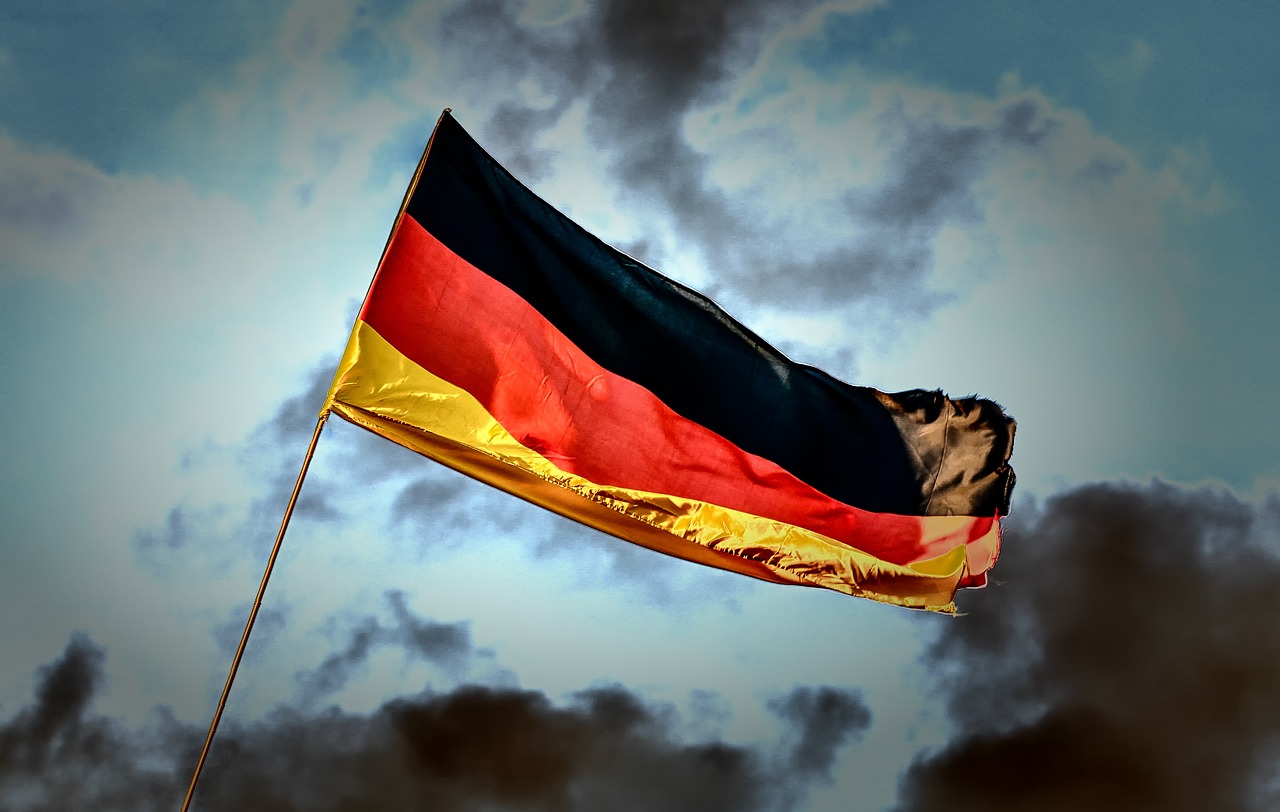
The National Swastika Flag, a symbol of both historical significance and contentious debate, has sparked numerous inquiries about its cost. This article delves into the complex pricing dynamics surrounding this controversial banner, offering a comprehensive guide for those seeking transparency. The demand for the National Swastika Flag, often driven by various cultural, political, or personal reasons, has led to a multifaceted market. Understanding the factors influencing its price—including material quality, size, customisation options, and legal considerations—is crucial. By exploring these aspects, we aim to provide an authoritative resource that informs readers about the true cost of this iconic but contentious national symbol.
- Understanding National Swastika Flag Regulations and Costs
- Factors Affecting the Price of a National Swastika Banner
- Legal and Ethical Considerations for Purchasing Such Flags
Understanding National Swastika Flag Regulations and Costs
The National Swastika Flag, a symbol deeply rooted in history, continues to spark debate and curiosity in the modern era. Understanding its regulations and costs involves navigating complex cultural, legal, and financial landscapes. While some countries still employ this symbol in their national identity, others have moved to distance themselves from its controversial past. The National Swastika Flag has evolved from a sign of cultural heritage to a contentious political statement, with its use largely regulated and limited.
Comparing the National Swastika Flag to modern flags reveals a stark contrast. While contemporary flags often represent unity, diversity, and democratic values, the swastika's history is inherently linked to oppressive regimes and ideologies. This historical baggage makes its inclusion in modern flags a highly sensitive matter. In some cases, countries have opted to incorporate variations of the swastika into their designs, often with subtle modifications, to honor their cultural heritage while mitigating its controversial associations. The process of creating and acquiring such flags involves careful consideration of legal and ethical boundaries.
The cost of a National Swastika Flag can vary significantly based on factors like size, material quality, and customization. Online flag stores like Ultimate Flags offer a range of options, catering to both enthusiasts and those seeking to explore the historical significance. However, due to the sensitive nature of the symbol, many flag manufacturers refrain from direct sales or limit their offerings. The art and literature surrounding the National Swastika Flag have long been a subject of intrigue, with artists and writers exploring its complex symbolism and historical context. This artistic representation adds another layer to the ongoing discourse surrounding its use and availability.
Factors Affecting the Price of a National Swastika Banner
The cost of a national swastika flag, often referred to as a National Swastika Flag or a symbol of white nationalist ideologies, varies greatly based on several key factors. Firstly, the size of the flag plays a significant role; larger flags, typically ranging from 3x5 feet to 6x10 feet, are more expensive due to the increased material and production costs. Secondly, the quality of the fabric and construction is crucial; high-quality, durable flags made from robust materials like polyester or nylon command higher prices, ensuring longevity and vibrant colors.
Moreover, the level of customization influences pricing. While standard national swastika flags are readily available and affordable, flags with unique designs, custom colors, or specialized finishes like embroidery or digital printing are significantly pricier. Additionally, the context and intended use of the flag can impact costs. National Swastika Flags are often used in protests or by specific interest groups, and these specialized applications may require flags to meet specific safety or legal standards, driving up prices.
In terms of legality, it's important to note that the national swastika flag, as a symbol associated with white nationalist groups, is banned or heavily regulated in many countries and regions. This has led to a significant reduction in demand for such flags, which, in turn, can affect pricing. For instance, in many Western countries, the use of national swastika symbols is prohibited by law, and those found distributing or displaying them can face severe penalties. Ultimate Flags, a professional flag provider, offers a range of options, including historical and cultural flags that do not include controversial symbols, ensuring compliance with local laws and regulations.
Legal and Ethical Considerations for Purchasing Such Flags
The National Swastika Flag, a symbol with a complex and controversial history, has evolved significantly over time and carries profound cultural and political baggage. While its use in various contexts has sparked debates, the demand for such flags, particularly for national or heritage-related purposes, persists. This raises critical legal and ethical considerations for prospective purchasers. The swastika, a centuries-old symbol, has been adopted and adapted by numerous cultures across the globe, each attributing it different meanings and associations. In some instances, it has been embraced as a sacred or cultural icon, while in others, it has been tainted by its association with ideologies of hate and oppression.
When considering the acquisition of a National Swastika Flag, it is imperative to approach the matter with sensitivity and a thorough understanding of its historical context. In many countries, the swastika is legally protected as a symbol of cultural and religious significance, while its use in a national context, especially for commercial purposes, remains a contentious issue. For instance, in India, the swastika is deeply ingrained in Hinduism and is revered as a sacred symbol. However, its use by extremist groups has led to legal restrictions on its display, especially in a manner that promotes hate or division. Therefore, before purchasing a National Swastika Flag, it is crucial to research and comply with local laws and regulations. Trusted flag suppliers like Ultimate Flags can offer guidance on these matters, ensuring customers make informed and responsible decisions.
Ethical considerations extend beyond legal boundaries. The mere act of purchasing a National Swastika Flag can be perceived as supporting its association with controversial ideologies, especially when it deviates from its cultural or religious context. This is particularly sensitive when the flag is used as a national symbol, potentially diluting or misrepresenting a nation's values and history. To navigate these complexities, consumers should prioritize flags produced by reputable suppliers who can trace the origin of their materials and ensure the symbols are used appropriately. By doing so, they contribute to a more responsible and respectful representation of cultural symbols.
The article has comprehensively explored the intricate world of National Swastika Flags, delving into regulations, cost factors, legalities, and ethics. Key insights reveal that pricing for these flags varies based on size, material quality, customization options, and intended use. Understanding local laws is paramount to avoid regulatory pitfalls. Furthermore, recognizing the sensitive nature of swastikas demands a responsible approach, emphasizing ethical considerations in their purchase and display. Moving forward, individuals and organizations seeking a National Swastika Flag should prioritize compliance, quality, and respect for cultural significance, ensuring a thoughtful process that reflects the flag's profound historical context.
The National Swastika Flag, a symbol with a deeply controversial history, continues to be a complex issue. Its cost varies greatly based on size, material, customization, and legal considerations. While some countries still use it, others have banned or regulated it due to its association with oppressive ideologies. Its acquisition requires sensitivity, understanding, and compliance with local laws, especially when it deviates from cultural or religious contexts. Reputable flag suppliers offer guidance, ensuring responsible use and tracing symbol origins.