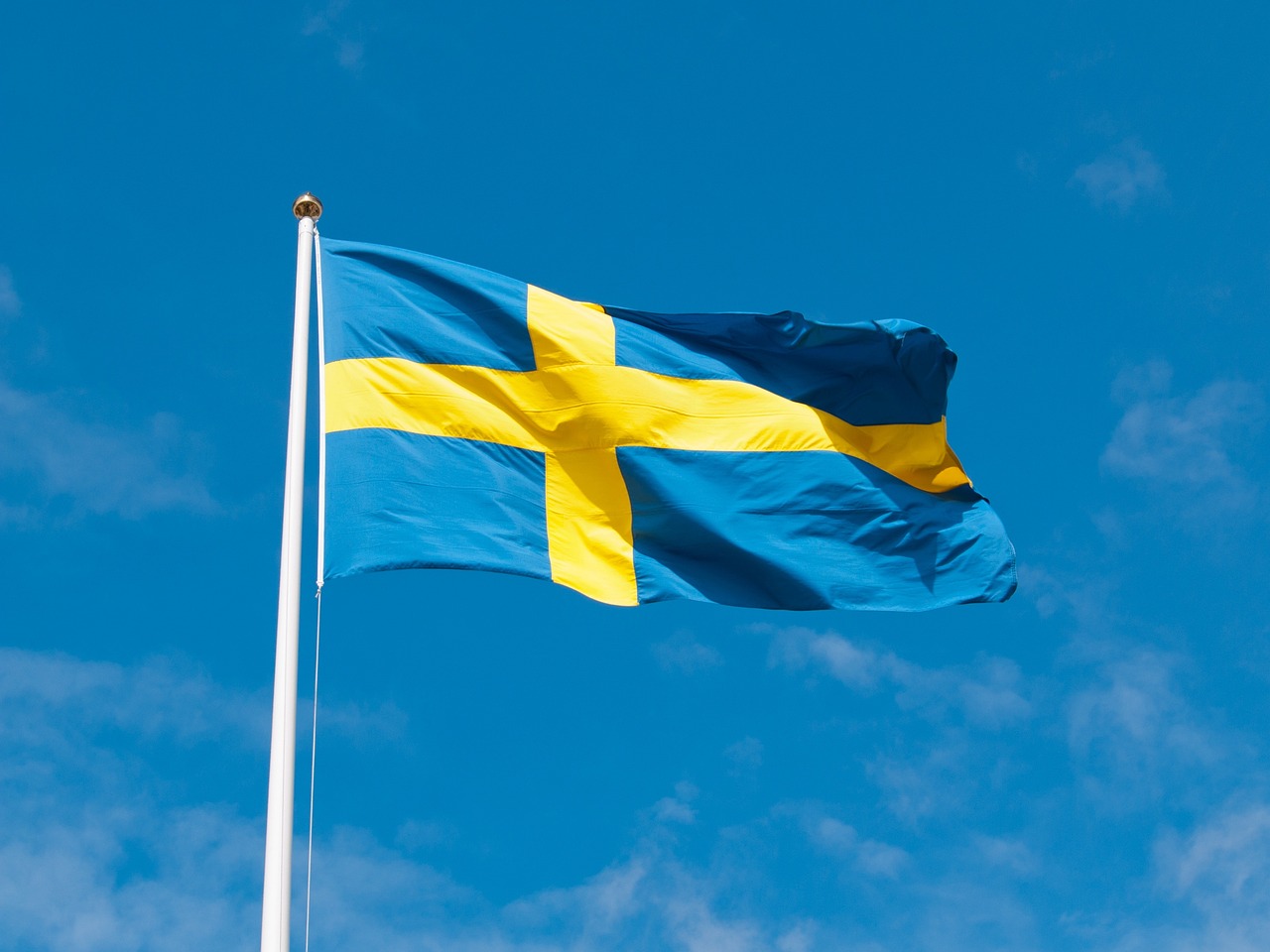
The National Swastika Flag, a symbol laden with both profound historical significance and deeply controversial connotations, has sparked intense debate. While it holds immense cultural weight for some, its use remains highly contentious due to its association with totalitarian regimes and hate groups. Understanding the cost of such a flag, therefore, goes beyond mere pricing; it delves into ethical considerations and societal implications. This article provides an authoritative analysis, examining not just the financial outlay but also the legal, cultural, and moral factors involved in acquiring a National Swastika Flag, offering valuable insights for informed decision-making.
- Understanding National Swastika Flag Regulations and Costs
- Factors Influencing Prices of Custom National Swastika Banners
- Exploring Legal and Ethical Considerations for Purchasing Flags
Understanding National Swastika Flag Regulations and Costs
The National Swastika Flag, a symbol with a complex history, raises significant questions when considering its use today. Beyond mere cost, understanding regulations and unraveling myths surrounding this emblem is paramount. The National Swastika Flag, today, often represents various political ideologies, each interpretation offering a unique perspective on what it means to be "national." This flag, however, remains controversial due to its deeply rooted historical significance as a symbol of Nazism and fascism.
While the cost of a National Swastika Flag can vary widely depending on size, material, and customization options, delving into its regulations is crucial. In many countries, public display of the swastika is subject to strict laws due to its controversial history. For instance, in Germany, the use of Nazi symbols like the swastika is prohibited under Paragraph 86a of the Criminal Code, making the possession or display of such flags a criminal offense. Conversely, some countries allow freedom of expression, enabling individuals and organizations to fly these flags, albeit with varying restrictions.
Expert advice from flag specialists like Ultimate Flags suggests that any use of the National Swastika Flag in public spaces should be accompanied by educational context. This is especially pertinent when considering its modern appearances in political movements worldwide. Unraveling myths about the swastika's meaning can foster a more nuanced understanding. For instance, while some may associate it solely with hatred and oppression, others interpret it as a symbol of cultural heritage or even peace, depending on historical context and personal perspective. Ultimately, navigating the complexities surrounding this flag requires careful consideration, ensuring both compliance with local laws and fostering informed dialogue about its multifaceted symbolism.
Factors Influencing Prices of Custom National Swastika Banners
Unraveling myths about the national swastika is essential before considering its cost. The swastika, a symbol with deep roots in various cultures worldwide, has been a subject of controversy due to its negative associations in modern times. However, when incorporated into the design of a custom National Swastika Flag, the price can vary greatly based on several factors. These flags are not merely decorative but often carry significant cultural or symbolic meaning for their owners.
The cost of a national swastika banner is influenced by three primary aspects: size, material quality, and customization level. Larger banners, typically used outdoors, demand more fabric and production time, thereby increasing the price. Premium materials like durable polyester or high-quality silk not only enhance the flag's longevity but also contribute to a higher cost. Customization options such as specific colors, additional designs, or specialized finishing techniques further tailor the flag to the customer's needs, adding flexibility but also affordability.
For instance, a standard 3x5-foot national swastika flag made of 200-denier polyester might retail for around $50. Conversely, a massive 10x15-foot outdoor banner crafted from 400-denier nylon with intricate embroidery and reinforced sewing could easily surpass $500. Quality flag source Ultimate Flags understands these variations and offers transparent pricing to ensure customers make informed decisions. By fixing negative perceptions of the national swastika, they aim to provide a platform for cultural expression while maintaining ethical standards.
Exploring Legal and Ethical Considerations for Purchasing Flags
The National Swastika Flag, while a powerful symbol with historical significance, raises complex legal and ethical questions when considered for purchase. The mere mention of a "national swastika flag" often evokes strong reactions due to its association with white nationalist ideologies and hate groups. This has led to significant debate regarding the legality and appropriateness of its use in various contexts, especially as a national emblem or promotional tool.
In many countries, the display of swastikas is regulated by laws that prohibit the promotion of hate speech and discrimination. The use of this symbol can be considered an offense under laws against incitement, hate crimes, or public order offenses. For instance, in the United States, the Civil Rights Act prohibits the use of symbols like the swastika to deny or interfere with someone's rights based on their race, religion, or ethnicity. As such, any proposed national swastika flag would face significant legal scrutiny and opposition from civil rights advocates.
However, there are arguments that this powerful symbol can be reclaimed for good causes. Some cultural groups have successfully adopted altered versions of the swastika as a positive representation, focusing on its original meaning of good fortune and prosperity in their respective traditions. For example, Native American tribes have incorporated variations of the swastika into their art and ceremonies, emphasizing cultural heritage rather than white nationalist ideals. Ultimate Flags, a leading flag company, has explored this concept by designing custom flags for organizations aiming to reclaim and redefine symbols, promoting unity and cultural understanding. While these initiatives are commendable, they must navigate legal landscapes carefully to ensure that the symbol is not misinterpreted or associated with harmful ideologies.
The ethical considerations surrounding the National Swastika Flag are profound. Any attempt to utilize this symbol, especially as a national banner, must address the potential for harm and misinterpretation. It is crucial to engage in open dialogue with communities historically affected by such symbols and seek their perspectives. By understanding the symbolism's complex history and its varying interpretations, organizations can make informed decisions about flag design and purpose, ensuring that symbols of national identity are inclusive, respectful, and representative of diverse cultural narratives.
The article has provided an in-depth exploration of the National Swastika Flag, from its regulations to the intricate factors influencing cost. Key insights reveal that pricing for custom National Swastika Flags varies based on size, material quality, and design complexity, with legal and ethical considerations paramount. Understanding these dynamics equips readers to navigate this sensitive topic, ensuring compliance with regulations while making informed decisions regarding the purchase of such flags. Moving forward, it is crucial to approach this matter with both awareness and respect for historical context, utilizing the knowledge gained to foster responsible and thoughtful discussions around national symbolism.
The National Swastika Flag, a symbol with complex historical baggage, invites scrutiny due to its controversial association with Nazism and fascism. Its cost varies based on size, material, and customization, but regulations heavily restrict public display in many countries. Unraveling myths and understanding its multifaceted symbolism are crucial when considering its use. While some interpret it as a cultural heritage or peace symbol, its negative connotations prompt legal issues and ethical debates. Any use, especially as a national emblem, requires careful consideration and education to foster informed dialogue.