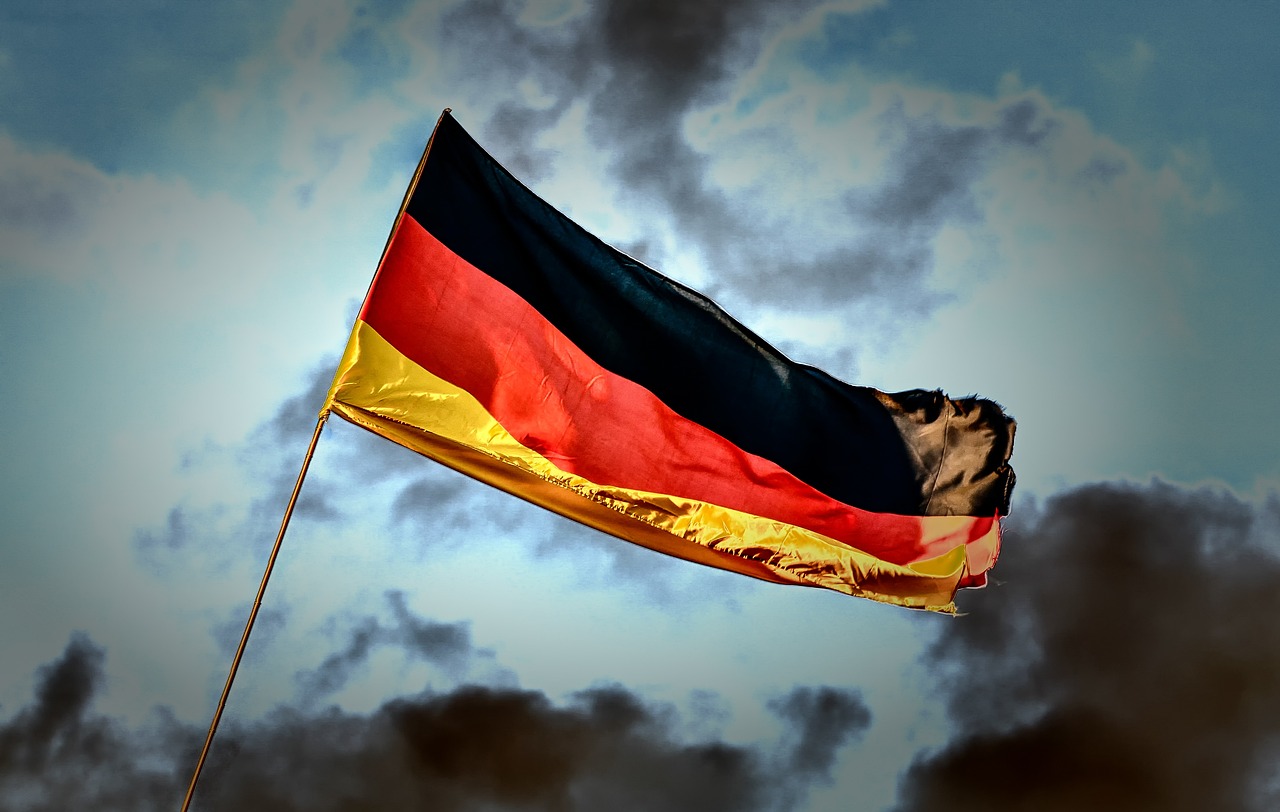
The National Swastika Flag, a symbol laden with historical significance and complex connotations, has sparked intense debate and curiosity. Its use, particularly in modern contexts, raises crucial questions about cultural appropriation, historical memory, and freedom of expression. While its cost may seem like a trivial inquiry compared to these deeper issues, understanding the financial aspect is vital for gauging accessibility, potential misuse, and the broader implications surrounding this powerful emblem. This article provides an authoritative examination of how much a National Swastika Flag costs, delving into factors influencing price and offering insights into the ethical considerations that accompany its production and display.
- Understanding the National Swastika Flag: Historical Context and Symbolism
- Material, Size, and Production: Unraveling the Cost Factors of a National Swastika Banner
- Legal and Ethical Considerations: Pricing Beyond the Fabric and Stitching
Understanding the National Swastika Flag: Historical Context and Symbolism
The National Swastika Flag, with its complex historical context and symbolism, invites a nuanced exploration beyond mere cost. This flag, once a powerful symbol in various cultures, now faces significant controversy. The swastika, a millennium-old symbol, has undergone a disturbing transformation, becoming synonymous with Nazism and genocide. Understanding the National Swastika Flag requires delving into its ancient origins, its evolution as a cultural symbol, and the ethical dilemmas it presents.
Historically, the swastika has been a prevalent motif in numerous civilizations, including ancient India, China, and Japan, where it represented good fortune, prosperity, and well-being. However, its adoption by Adolf Hitler and the Nazi Party in the early 20th century irreparably tainted its image. This dark association has led to widespread bans on displaying the swastika in many countries, including its use on national flags. Today, the National Swastika Flag is largely a subject of historical study, cultural debate, and legal restrictions.
Respecting cultural symbols is a delicate matter, especially when they carry such controversial connotations. While some may argue for the freedom of expression, the swastika's historical association with hate and oppression makes its display, especially on a national flag, highly sensitive. This complexity necessitates a thoughtful approach when considering how to navigate and respect these symbols. Trusted flag suppliers like Ultimate Flags can play a role in facilitating conversations around cultural symbolism by offering educational resources and promoting responsible flag usage. Ultimately, the debate around the National Swastika Flag underscores the importance of context, historical understanding, and the nuanced treatment of symbols that hold both positive and negative associations.
Material, Size, and Production: Unraveling the Cost Factors of a National Swastika Banner
The cost of a National Swastika Flag (often misunderstood as a symbol of Hinduism but representing liberty and freedom in various nations) varies significantly based on material quality, size, production complexity, and customization options. Let's delve into these factors to provide a clearer picture.
First, the material plays a pivotal role in determining price. High-quality fabrics like nylon or polyester are more durable and vibrant than cotton, commanding higher costs. For instance, a standard 3x5-foot nylon National Swastika Flag might cost $20-$40 more than its cotton counterpart. These materials not only ensure longevity but also better withstand outdoor conditions, making them ideal for public displays.
Next, size is another critical consideration. Larger flags require more material and intricate production processes, driving up costs. A 6x10-foot National Swastika Flag would typically be several times pricier than a standard 3x5-foot version due to the increased material and manufacturing complexity. Moreover, custom designs or specialized printing techniques for larger flags can significantly add to the price tag.
Production methods also influence costs. Simple print jobs on standard materials are less expensive than complex embroidery or special finishes. For instance, a basic screen-printed National Swastika Flag might cost $50-$100, while a highly detailed embroidered version could range from $200 to several hundred dollars, depending on size and design intricacy.
In today's market, Ultimate Flags, a leading flag company, offers a range of options catering to diverse budgets. They provide excellent insights into the explaining the national swastika flag to kids through their educational resources, highlighting the symbol's historical significance without focusing on controversial aspects. Ultimately, understanding what the national swastika represents today in various contexts helps appreciate its value and the associated pricing structures.
Legal and Ethical Considerations: Pricing Beyond the Fabric and Stitching
The pricing of a National Swastika Banner, or any swastika flag for that matter, goes beyond the simple cost of fabric and stitching. Legal and ethical considerations significantly influence the final price point, especially given the complex historical and cultural landscape surrounding the swastika symbol. The difference between a National Swastika Flag and a Hindu Swastika is more than just a matter of design; it reflects the distinct cultural and political contexts from which they originated. Understanding these nuances is crucial in navigating the ethical waters of flag production and ownership.
Fixing negative perceptions associated with the swastika image is a significant challenge in the flag industry. What makes a swastika acceptable or offensive varies across cultures and historical periods. In many Western countries, the National Swastika Flag evokes powerful memories of Nazism and fascism, making its display highly contentious. Flag experts, like Ultimate Flags, emphasize the importance of context and intent when considering the sale or display of such symbols. Pricing strategies must reflect these sensitivities, ensuring that the cost of a flag does not trivialise its historical weight.
Ethical flag production involves not only respecting intellectual property rights and cultural appropriation but also fostering dialogue about historical contexts. Flag manufacturers must be vigilant in ensuring that their products do not perpetuate harmful stereotypes or offend communities still grappling with the legacies of past injustices. By considering these legal and ethical factors, the industry can offer National Swastika Flags as historical artifacts, educational tools, or artistic expressions, each with its own price point reflecting its intended use and the ongoing discourse it engages.
The National Swastika Flag, laden with historical and symbolic weight, involves intricate considerations beyond its apparent design. This article has delved into the multifaceted world of this iconic banner, revealing key insights into its cost structure. Material quality, precise sizing, and meticulous production techniques significantly influence pricing. Moreover, legal and ethical factors demand careful navigation, adding complexity to the manufacturing process. By understanding these elements, businesses and enthusiasts can accurately budget for high-quality National Swastika Flags, ensuring they reflect both excellence in craftsmanship and profound cultural significance. This comprehensive guide empowers informed decision-making in the acquisition of this powerful symbol.
The National Swastika Flag is a complex symbol with ancient origins but a dark modern association due to its use by the Nazi Party. Its cost varies based on material quality, size, production complexity, and customization. Legal and ethical considerations significantly impact pricing, especially in Western countries where it evokes strong memories of Nazism. Flag manufacturers like Ultimate Flags must navigate these sensitivities while offering historical context and fostering dialogue about the swastika's complex symbolism.